
When I set out on my solo adventure to Sri Lanka, I envisioned golden beaches, lush landscapes, and the thrill of surfing in some of the world’s most picturesque locations. What I discovered was a perfect blend of vibrant culture, stunning surf spots, and tranquil escapes that made my month-long journey an unforgettable experience.
Here’s a glimpse into my Sri Lankan adventure, featuring some of the island’s most coveted surf spots and coastal gems.
Colombo: A Warm Welcome
My adventure began in Colombo, Sri Lanka’s bustling capital. As a solo female traveler, I found the city’s energy both invigorating and welcoming. I spent my first evening strolling along Galle Face Green, where the sunset over the Indian Ocean set the perfect tone for my journey. Sampling local street food and exploring the vibrant cityscape provided a fantastic introduction to Sri Lanka.
Hiriketiya: A Surf Paradise
A short drive from Colombo brought me to Hiriketiya, a hidden gem known for its idyllic crescent-shaped bay and relaxed surf vibe. Hiriketiya Beach, with its gentle waves and stunning turquoise waters, was the ideal spot to start my surf adventure. Whether I was catching my first wave or simply enjoying the serene beauty of the bay, Hiriketiya offered a perfect balance of excitement and relaxation.
The local surf community was incredibly friendly and welcoming, making it easy to connect and share surf tips.
Unawatuna: A Coastal Gem
From Hiriketiya, I traveled to Unawatuna, a vibrant beach town known for its lively surf scene and picturesque shoreline. Unawatuna Beach offered a mix of gentle waves and more challenging breaks, catering to surfers of all levels. I took surf lessons here, guided by enthusiastic instructors who helped me refine my skills and build my confidence in the water.
Unawatuna’s bustling beachside scene provided ample opportunities for relaxation and exploration. The nearby Jungle Beach, accessible by a short hike, was a perfect spot for a quieter retreat and offered excellent snorkeling opportunities.
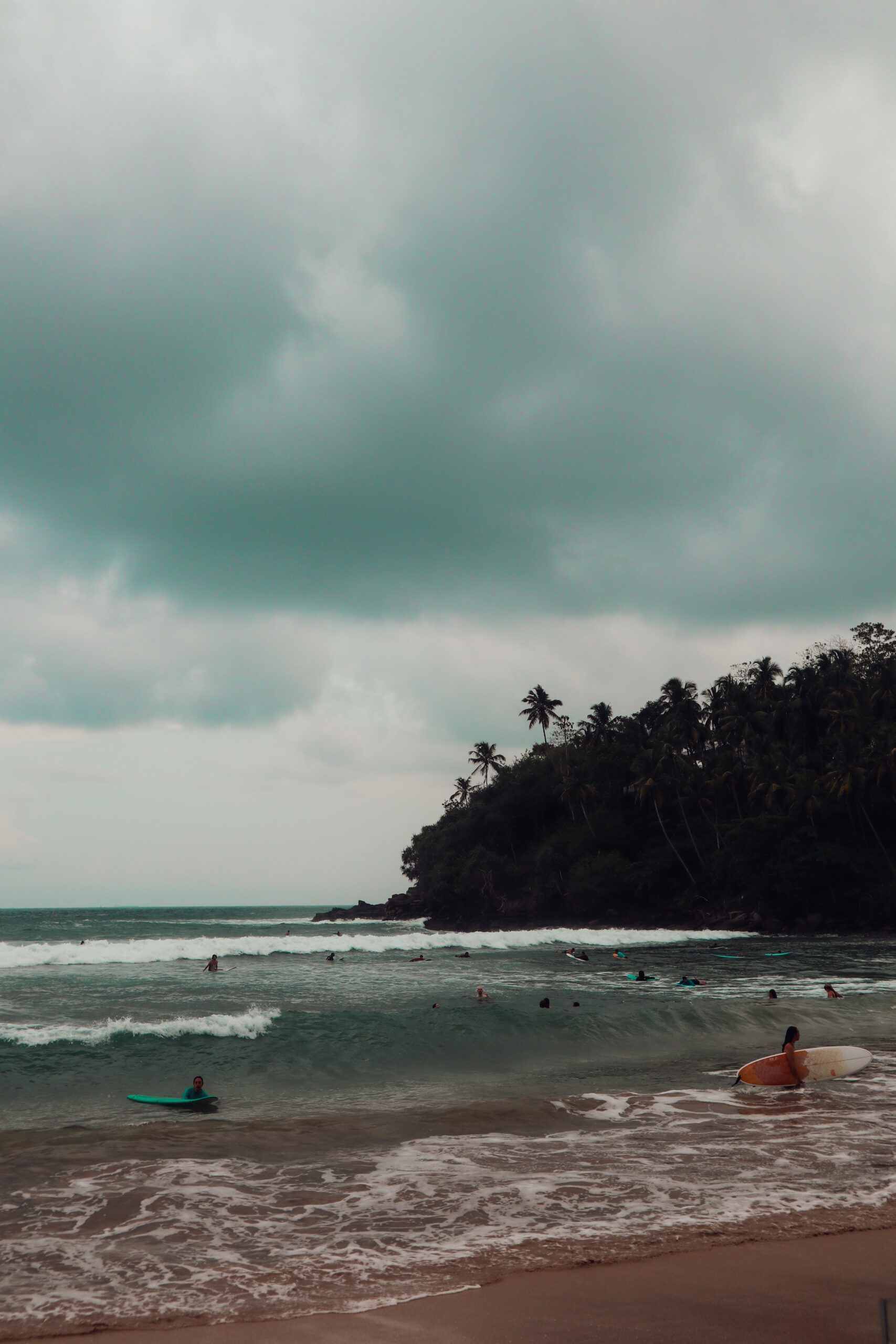
Hikkaduwa: Surf and Culture
A short journey from Unawatuna led me to Hikkaduwa, one of Sri Lanka’s most famous surf destinations. Hikkaduwa Beach is renowned for its consistent waves and vibrant surf culture. The beach’s lively atmosphere and excellent surf breaks made it a highlight of my trip. I spent several days here, enjoying the waves and soaking up the local surf culture.
In addition to surfing, Hikkaduwa offered a rich cultural experience. I explored the nearby Coral Sanctuary, where I had the chance to snorkel among colorful coral reefs and tropical fish.
Weligama: Surfing Bliss
After Hikkaduwa I headed to Weligama, a coastal town renowned for its surf-friendly beaches. Weligama Beach is perfect for beginner surfers. The waves were gentle, and the local surf instructors were friendly and encouraging, making it an ideal spot to learn and practice.
Beyond surfing, Weligama offer charming cafes and seafood restaurants where I relaxed after my beach sessions. Exploring the town’s local markets was also a delightful experience, giving me a taste of the vibrant local life.
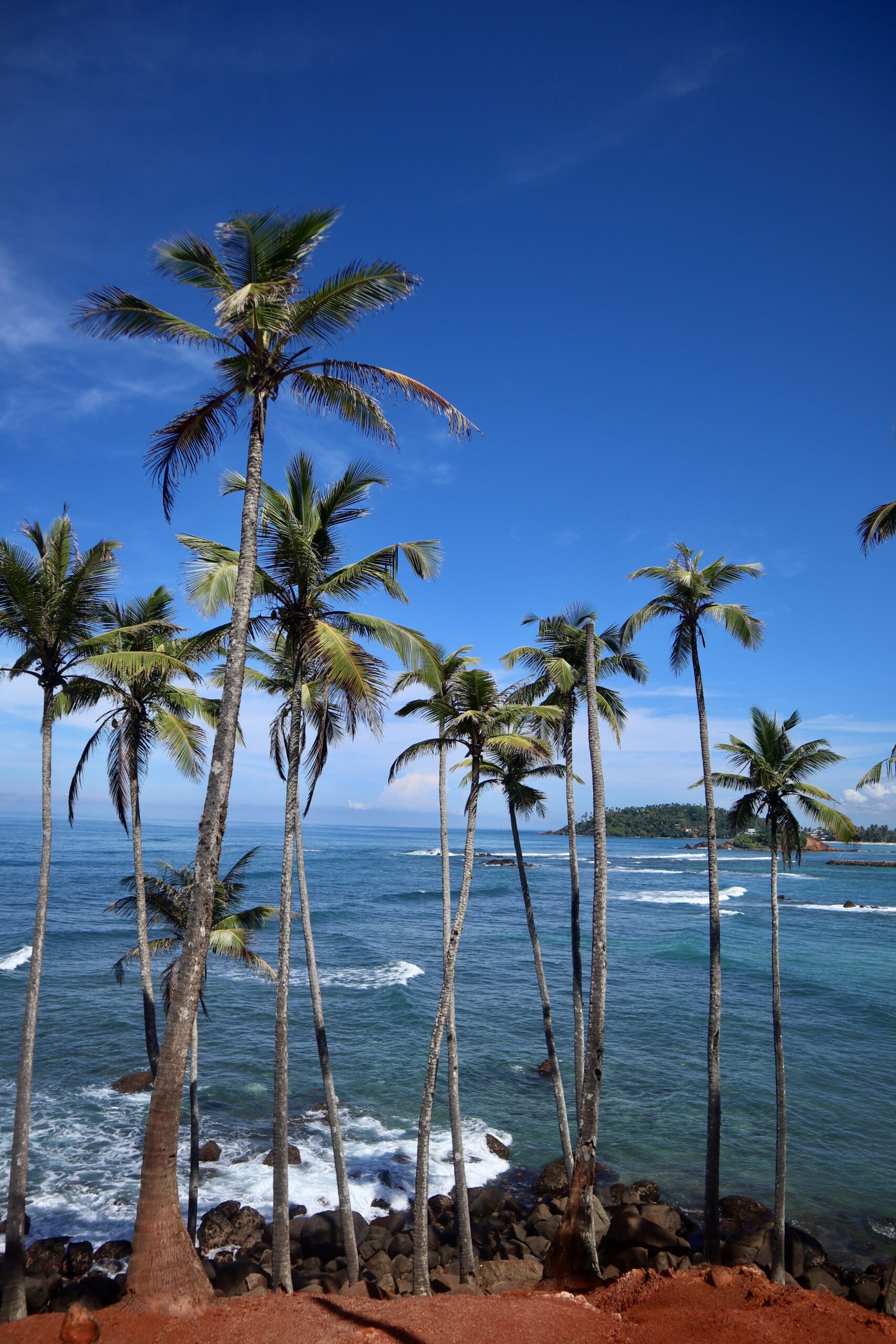
Mirissa: Palm Trees and Beachside tranquility
After my surf-focused adventures, I traveled to Mirissa, a picturesque beach town known for its tranquil ambiance and excellent whale-watching opportunities. While Mirissa Beach was more about relaxation than surfing, it offered a serene escape with its golden sands and clear waters.
Arugam Bay: The Surf Mecca
No trip to Sri Lanka would be complete without a visit to Arugam Bay, renowned for its surf breaks and laid-back atmosphere. Arugam Bay Beach, with its consistent waves and welcoming surf community, was where I truly felt the thrill of surfing. My favourite spots here are Peanut Farm and Whiskey Point!
If you want to avoid community however, and are looking for a hidden beach; in the south Goyambokka and Silent Beach are the perfect slices of paradise and have remained largely unaffected by the overdevelopment affecting every other inch of this region.
There’s not much going on other than beautiful sand and water, so this is the place to be if you just want to sit around on the beach.
Historical Sites
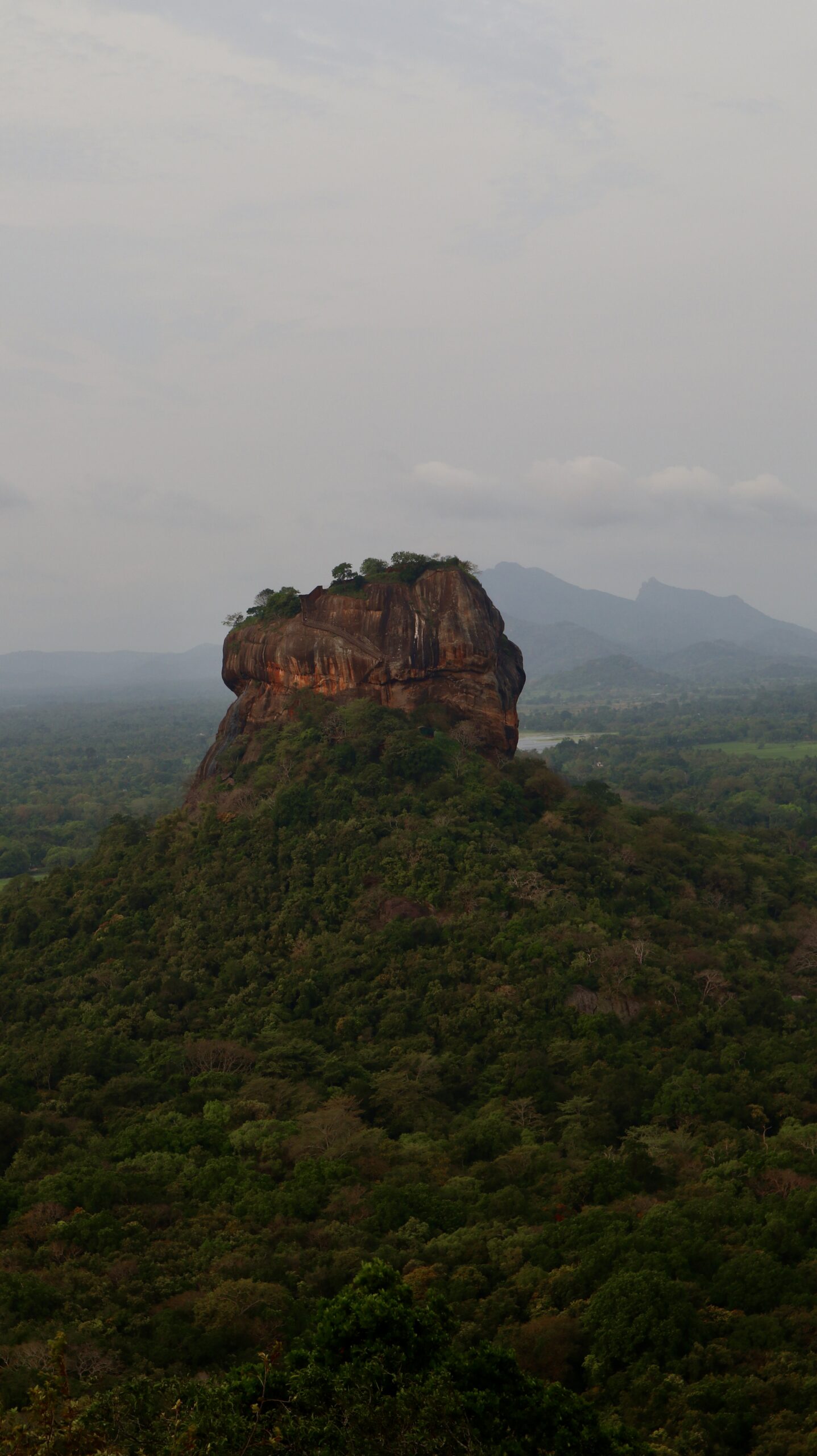
If you are into historical sites, climbing the iconic Sigiriya Rock Fortress was a challenging but rewarding experience. The panoramic views from the top were simply spectacular, and exploring the ancient ruins provided a fascinating insight into Sri Lanka’s rich history.
Not as popular as lion Rock, you can hike Pidurangala Rock which is free and has an insane view over the surrounding area!
The nearby Dambulla Cave Temple was another highlight, with its impressive collection of cave temples adorned with ancient frescoes and statues. Sigiriya offered a perfect contrast to the coastal scenes and added a memorable historical element to my journey.
Hospitality
Sri Lanka’s people are incredibly warm and friendly towards tourists! They always seem eager to make visitors feel welcome and are quick to offer help, whether it’s giving directions, suggesting places to check out, or just striking up a friendly chat.
I notice that Sri Lankans have a natural hospitality. It’s not unusual for them to invite me into their homes or offer a drink, as hospitality is such a big part of their culture. They also take a lot of pride in their country, and I often get enthusiastic insights into Sri Lankan history, religion, and customs.
Cuisine
Sri Lankan cuisine is known for its rich flavors and diverse dishes, often featuring a variety of spices and ingredients. Some of my favorite typical dishes are:
- Hoppers (Appam): Hoppers are bowl-shaped pancakes made from fermented rice flour and coconut milk. They can be plain or filled with a variety of ingredients, including eggs (egg hoppers) or sweet coconut milk (sweet hoppers).
- Kottu: This dish is made by chopping up roti (flatbread) and stir-frying it with vegetables, meat, and spices. It’s a flavorful and hearty street food.
- Roti: A type of flatbread that can be eaten with curries or used to make dishes like kottu roti. This can be sweet or savory, like nutella Roti or chicken veggie roti.
- Dhal Curry (Parippu): A staple lentil dish cooked with spices and coconut milk. It’s typically served with rice and other curries.
Sri Lankan food is known for its use of spices like cinnamon, cardamom, cloves, and curry leaves, which create the rich and vibrant flavors characteristic of the cuisine.
Highlight
My favorite place was Ella, a small town in the mountains. I spent my days hiking to Ella Rock and Little Adam’s Peak, both offering breathtaking views of the verdant countryside.
Exploring the Nine Arches Bridge and learning about Sri Lanka’s tea industry at a local plantation were memorable experiences. Ella’s relaxed vibe was a great contrast to the more bustling beach towns.
And the scenic train ride from Ella to Kandy, was a very unique experience!

All things you need to know:
- The journey takes 7 hours.
- The best seats are in 2nd or 3rd class, because you can open the window and sit on the train door. However 1st class has air conditioning and comfortable seats.
- The right side has the best views and the most beautiful landscapes of the journey are from Hatton to Haputale.
- You can buy the ticket online or opt for non reserved seats but this can be very crowded and you might need to stand for the whole journey!
Culture
I was in Sri Lanka during the Vesak, which is an important Buddhist festival, observed in May, commemorates the birth, enlightenment, and death of the Buddha.
Streets and homes are decorated with colorful lanterns, and people engage in religious observances, including giving alms to monks and participating in temple activities.
The streets and homes are transformed into vibrant canvases of color and light. Lanterns of all shapes and sizes, often handmade and intricately decorated, drape across streets, creating a magical atmosphere.
Street vendors and local communities often prepare and distribute traditional foods and sweets, creating a strong sense of community. I was indeed given a free meal and drink while I was sitting on a local bus to Nuwara Eliya.
For me it was a unique experience that combines visual beauty, spiritual depth, community spirit, and cultural richness. It’s a time when the country’s heritage and religious devotion come vividly to life, offering both locals and visitors a chance to take part to a meaningful cultural celebration.
The day trip to Yala National Park added an adventurous twist to my stay aswell. The safari allowed me to witness Sri Lanka’s diverse wildlife, including elephants and elusive leopards, adding a touch of excitement to my beach-focused itinerary.
Timing
Avoid raining season! Sri Lanka has two different monsoon season: the Maha (October to January) in the north-east and the Yala (May to August) in the south-west.
The best month to visit Sri Lanka is the dry season going from December to march.
However it’s not as severe as the name suggest, as rainfall tends to be short and heavy and passes through quickly.
Budget
I use a budgeting app (Travelspend) to keep track of my daily expenses. This helps me stay aware of where my money is going. I normally set a daily budget that includes everything from meals to entertainment, usually around 20£ depending on the country. I minimalize the costs of my accommodations staying in hostels/ guesthouses, I opt for public transportations instead of taxi and I mainly eat in local markets or affordable restaurants.
Getting Around
I mainly use 12togoasia to book all my transfers around Southeast Asia. Others apps that are essential for me are grab, gojek, uber. However in Sri Lanka this are not available yet, so I used Pickme as an alternative for tuk tuk rides mainly.
During my month in Sri Lanka I only travelled by local buses and trains, which are the most affordable options to move across the country.
Fares vary depending on the distance and the type of bus service. Ticket prices are generally low, and you can pay directly to the conductor on the bus.
Trains popular Routes:
- The Colombo to Kandy route is famous for its scenic views and is a popular choice for tourists.
- The Colombo to Badulla route is known for its picturesque journey through the tea plantations in the hill country.
Tickets can be purchased at train stations or online. Booking in advance is recommended, especially for popular routes and during peak travel times.
Both local buses and trains offer a way to experience Sri Lanka’s diverse landscapes and vibrant culture, making them integral to daily life and travel in the country.
Be prepared for crowded conditions, especially during peak hours!
Staying Connected
The Wi-Fi in Sri Lanka is quiet bad in most places and there are power cuts very often. It’s very common to be without electricity for several hours… so be prepared for this especially if you work remotely or need a stable connection.
When I travel I usually go for an E-SIM (Holafly or airalo), but sometime is way cheaper to buy a local sim card. The rule for me is DO NOT get a simcard at the airport, really likely you will overpay for what you actually get!
The main card packages in Sri Lanka are Dialog and Mobitel.
Safety
If you were to ask solo female travelers about their experiences traveling alone in Sri Lanka, you’d likely hear a range of opinions!
Sri Lanka is a conservative country, and some local men may hold specific views about women, particularly foreign women. This can sometimes lead to uncomfortable situations or unwanted behavior. Since local women typically dress modestly, the sight of tourists in shorts or sleeveless tops might be interpreted differently by some men, potentially resulting in inappropriate reactions.
Unfortunately that sort of thing happen and you need to be careful. That being said, I wouldn’t make the above a reason not to go to Sri Lanka!
I always share my location with close friends and I ensure to be with a group if I want to go out in the evening.
I book my accommodations in central areas and mainly stay in hostels to find other travelers and make friends with them.
Whenever I feel in a weird situation I always say that I am about to meet someone and I do not mention the fact that I am travelling alone.
It is important not to be naïve, and take precautions before embarking on such a journey. If you are concerned I can suggest these things aswell:
- Understand Local Customs: Sri Lanka is a predominantly conservative country. Familiarize yourself with local customs and dress codes. Modesty is appreciated, especially when visiting religious sites—cover your shoulders and knees.
- Opt for Reputable Places: Choose accommodations with positive reviews and good security. Many hostels and guesthouses are friendly towards solo female travelers and can offer valuable local tips.
- Avoid Isolated Areas: Stick to Well-Lit Areas especially after dark, stay in well-lit, populated areas. Popular spots like Colombo, Kandy, Ella, and Galle are generally safe and have a strong tourist infrastructure.
- Transport Choices: Use reputable transportation services. In cities, rideshare apps like Uber and PickMe can be safer options than hailing a cab or tuk tuk on the street.
- Socialize Safely: Joining group tours or activities can be a great way to meet fellow travelers and experience the culture while staying safe.

Travelling Alone
Travelling alone is a powerful experience, a true act of self-love.
It helped me to gain so much confidence and it’s a great opportunity for growth and discovery. It forced me to overcome challenges on my own and constantly step out of my comfort zone.
I’ve learned independence, and I’ve even learned to enjoy my own company.
Reflections on My Sri Lankan Adventure
What I loved most about Sri Lanka is the diverse natural beauty, unique wildlife, culinary delights and the warm hospitality of the locals.
Traveling solo as a female in Sri Lanka was an enriching experience marked by kindness, adventure, and discovery. From the surf breaks of Weligama and Arugam Bay to the serene landscapes of Ella and Sigiriya, Sri Lanka offered a diverse range of experiences that left me with a profound sense of fulfillment.
If you’re considering a solo journey to this beautiful island, know that Sri Lanka welcomes travelers with open arms. Embrace the waves, explore the lush landscapes, and immerse yourself in the vibrant culture!