
As a Pilot I’ve spent 12 years travelling all across Asia, but only just last year I discovered the Philippines like this.
It was the most fascinating place to me.
It was a country I had never considered for fear of disappointment, thinking its many islands wouldn’t suit my travel style. But in the end, it was a revelation. This is my favorite trip of 2024. The landscapes are breathtaking, and the welcome of the locals reminded me of the kindness of Vietnam. This country is full of authenticity, and I found everything I love in a trip to the Philippines.

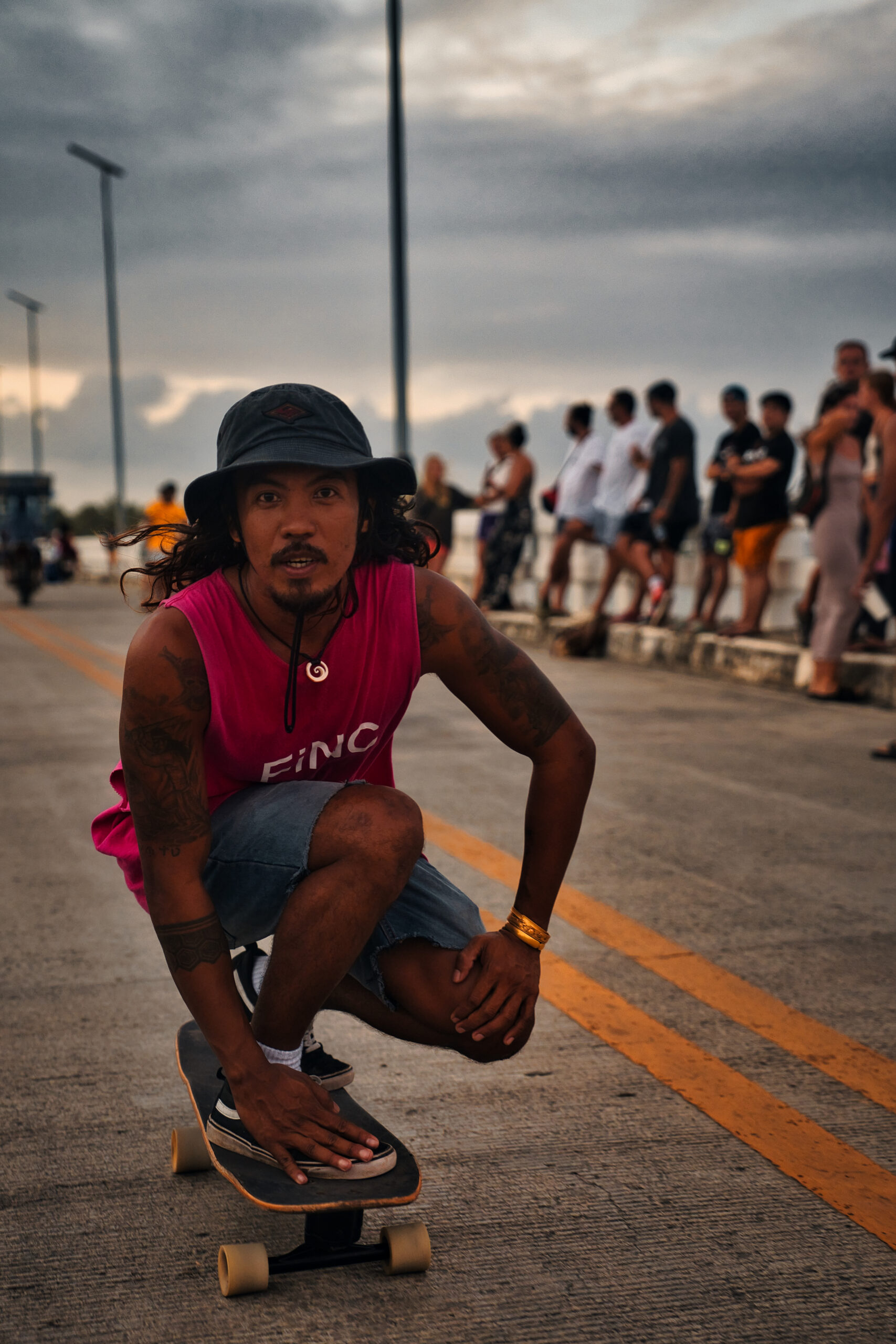
The relevance of connection & experiences
To understand my perspective, it’s important to know I grew up in a small village, or rather a seaside resort, called Sainte-Maxime, in the south of France, just opposite the famous village of Saint-Tropez. I remember my childhood, I was always on the move, always outside. You have to believe that the Sagittarius in me needs an escape (laughs). I didn’t travel much between the ages of 5 and 16, it was mostly with my parents, and most of the time it was to go skiing.
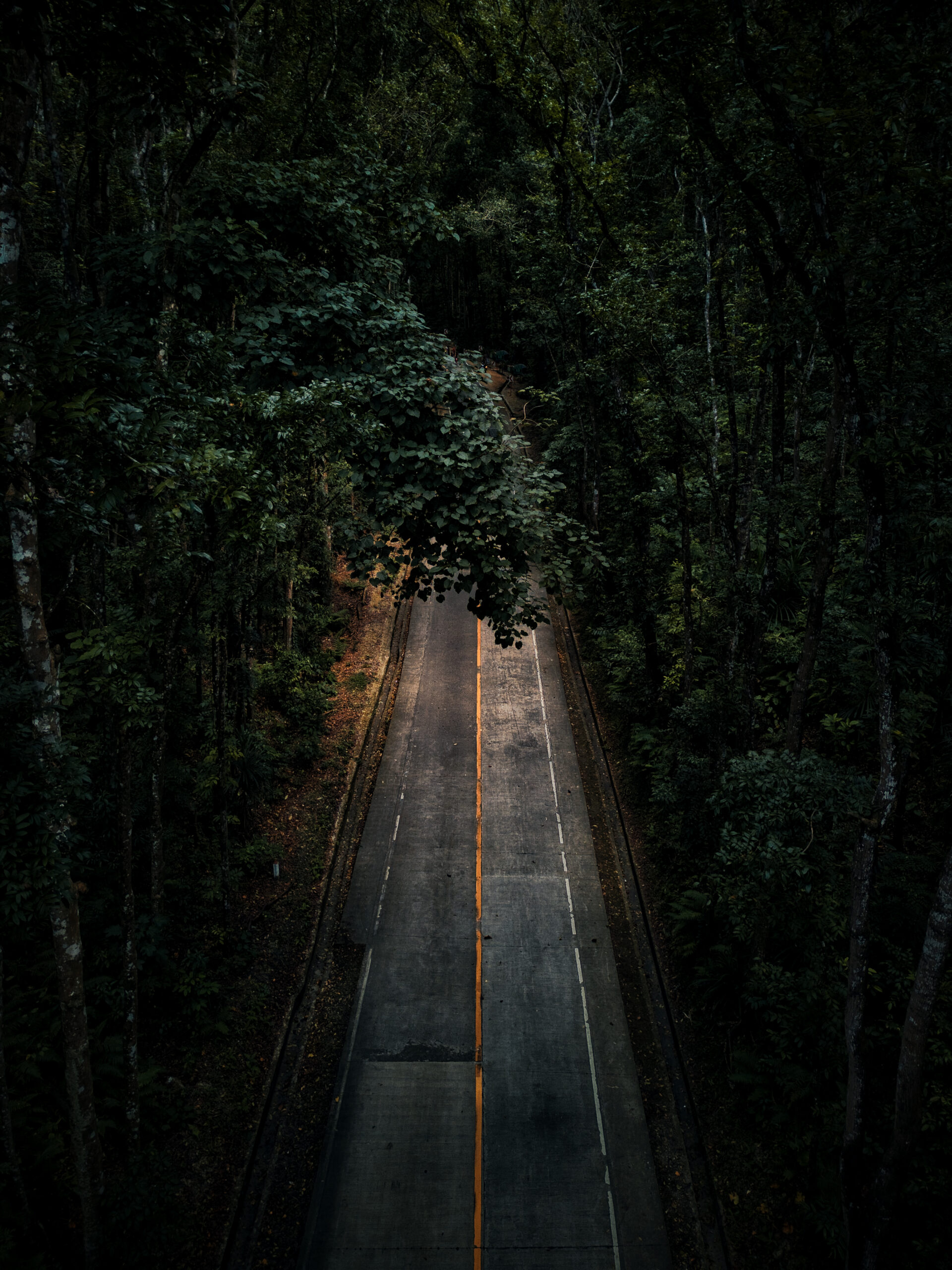
My love of travel today is undoubtedly shaped mostly by the relationships I have with people.
For example when I was 20, I had to work on the beaches of Sainte-Maxime, and that’s when I had the chance to meet a lot of people from all over the world. Customers took the time to chat with me, to tell me about their travels, their lives, their dreams. I had an insatiable thirst for knowledge, and they motivated me to pursue my own dreams.
When I was 5 or 6, my father also took me every weekend to see a model train enthusiast. In his vast hangars, he had recreated the trains of the world with their decorations. Maybe that planted a seed as well.
Then, later, when I took my first flight from Nice to Paris at 10 years old, I had a revelation. Looking out the window, I said to myself: “One day, I too will pilot planes to travel all over the world. A few years later, I became a pilot, and this passion for aviation fueled my love for travel.
I had a second dream to become a photographer as well. Which I also achieved, thanks to my determination but also to my Mother who always supported what I wanted to be, my father, the train enthusiast, and to the customers on the beaches of Sainte-Maxime – who inspired me like never before.
Culture
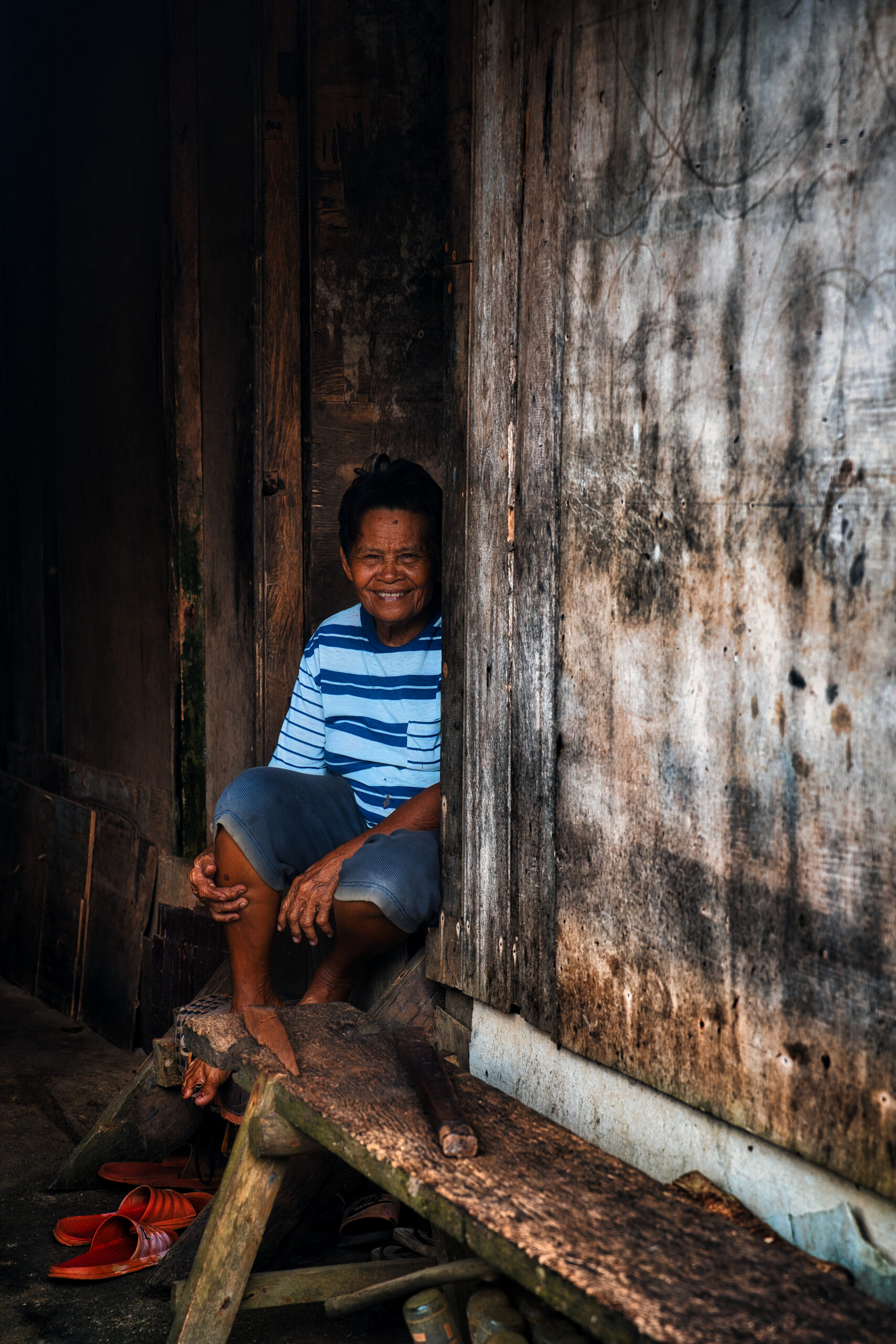
What surprised me the most about the Philippines were the locals. After 12 years of traveling in Asia, I thought the Philippines would be a bit like the Maldives, with no real cultural interest. But to my great surprise, the Filipinos offered me the same human warmth as those in Vietnam. Traveling by backpack allowed me to stay with locals, and their advice was invaluable. We explored islands almost deserted by tourists, discovering remote villages and a culture that touched me.
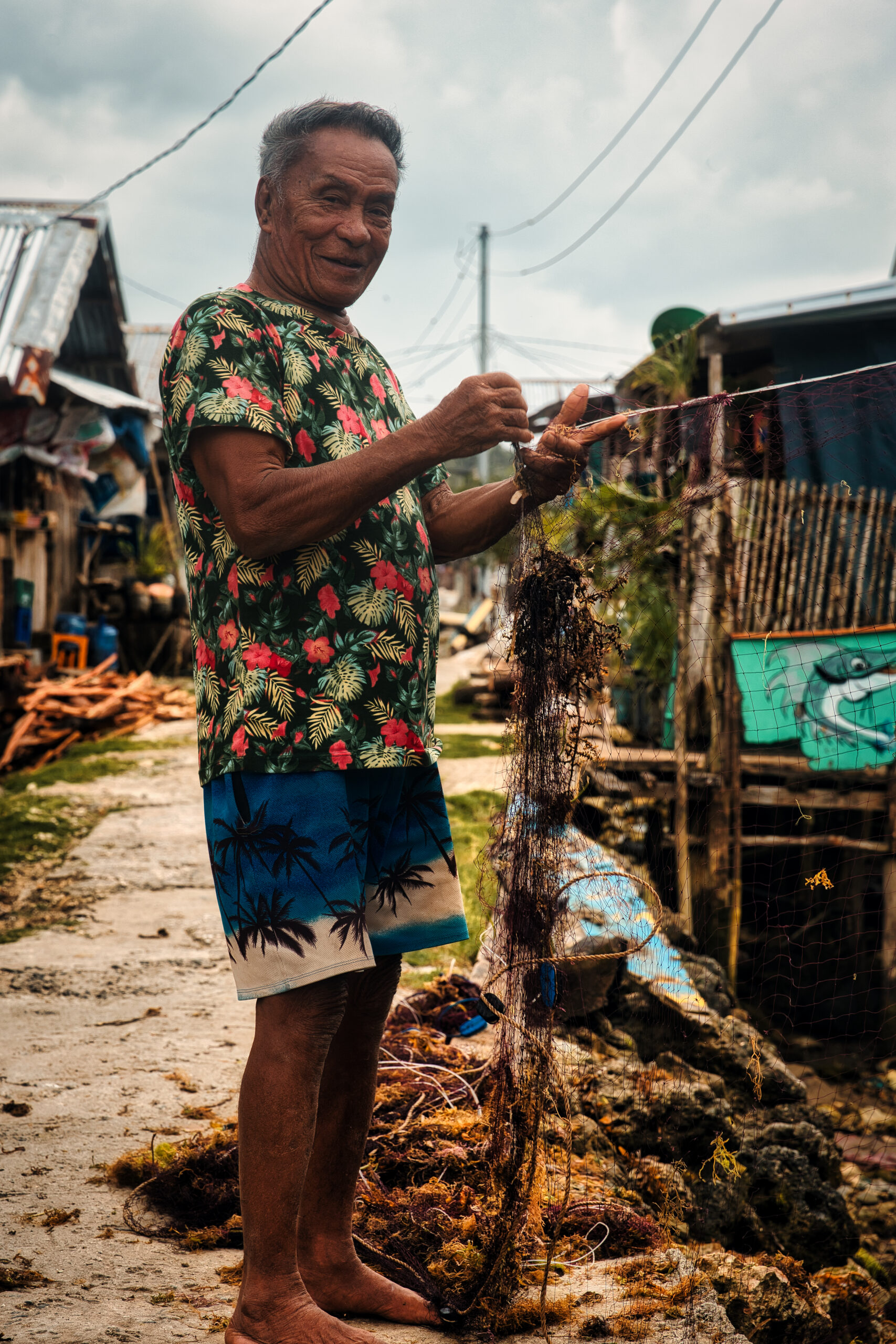
Filipinos generally speak English very well, much better than us French (laughs). But in remote villages, communication can be more complicated. Fortunately, sign language is quickly becoming a second language.
Filipinos are predominantly Catholic however the culture remains deeply Asian. The mix of local, Spanish and Malay influences fascinated me. It is a culture full of contrasts and riches.
Filipinos even have their own traditional music, such as Kulitang, gong instruments found mainly in traditional villages. It is a living art, sometimes played in families.
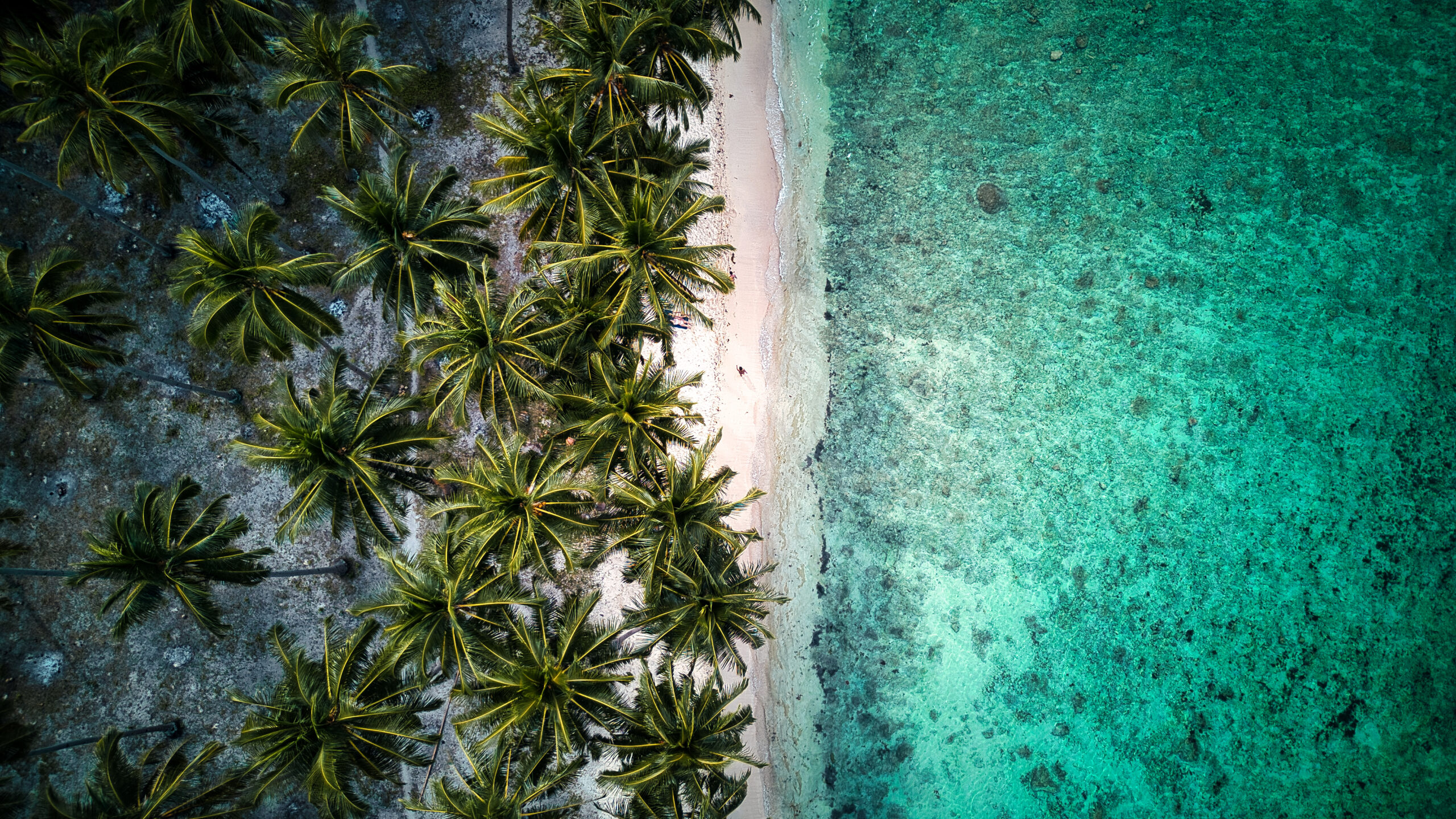
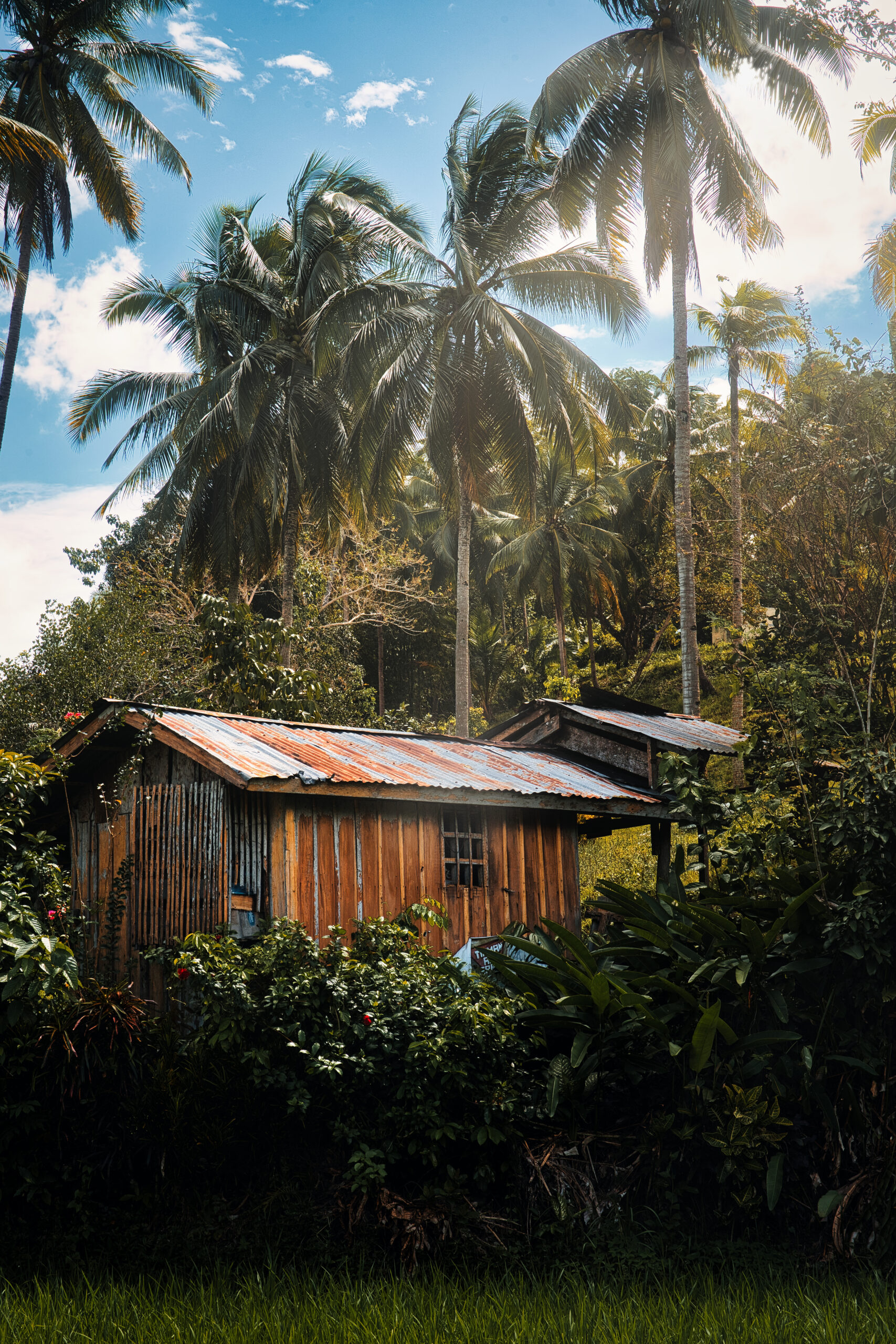
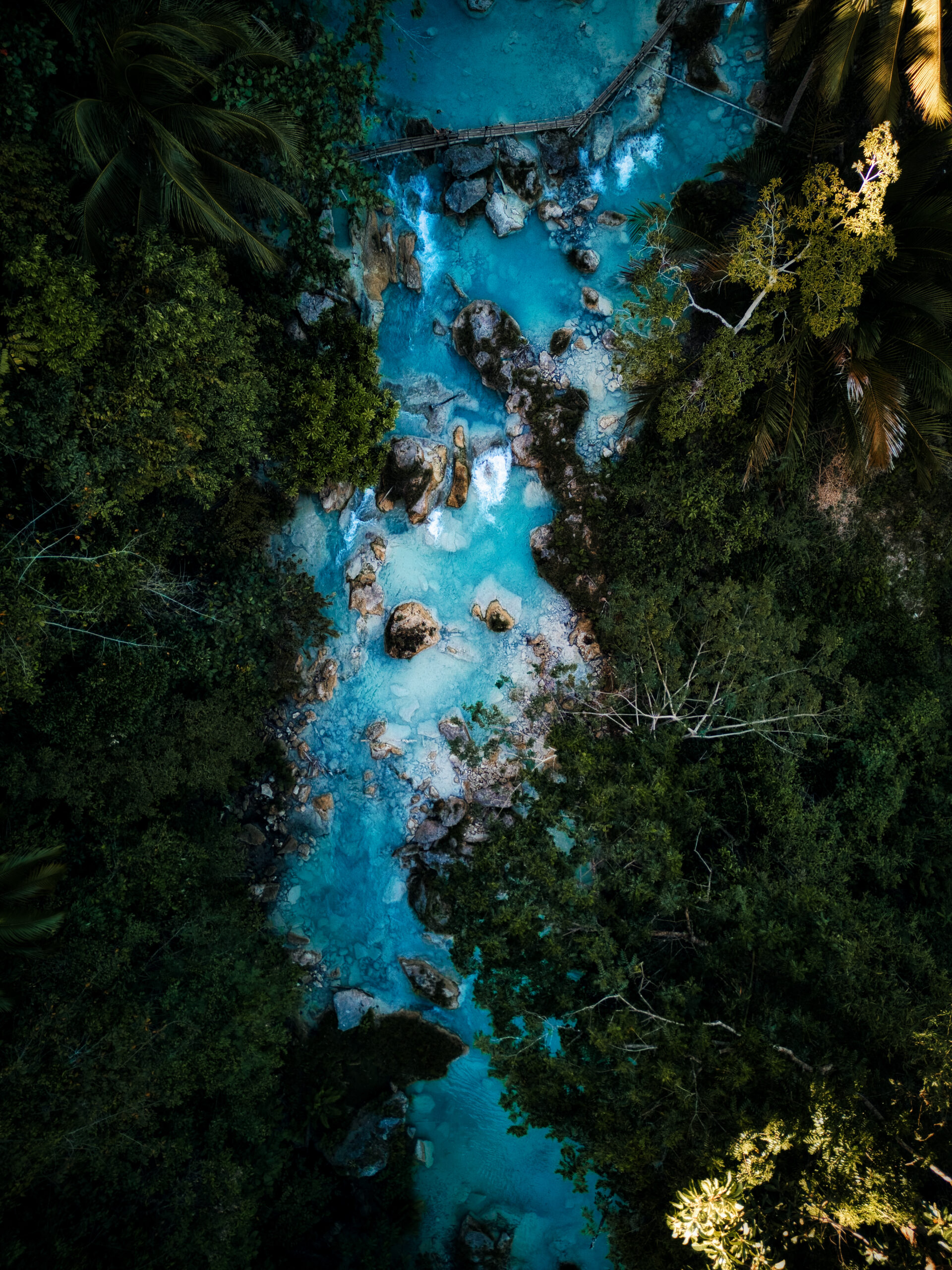
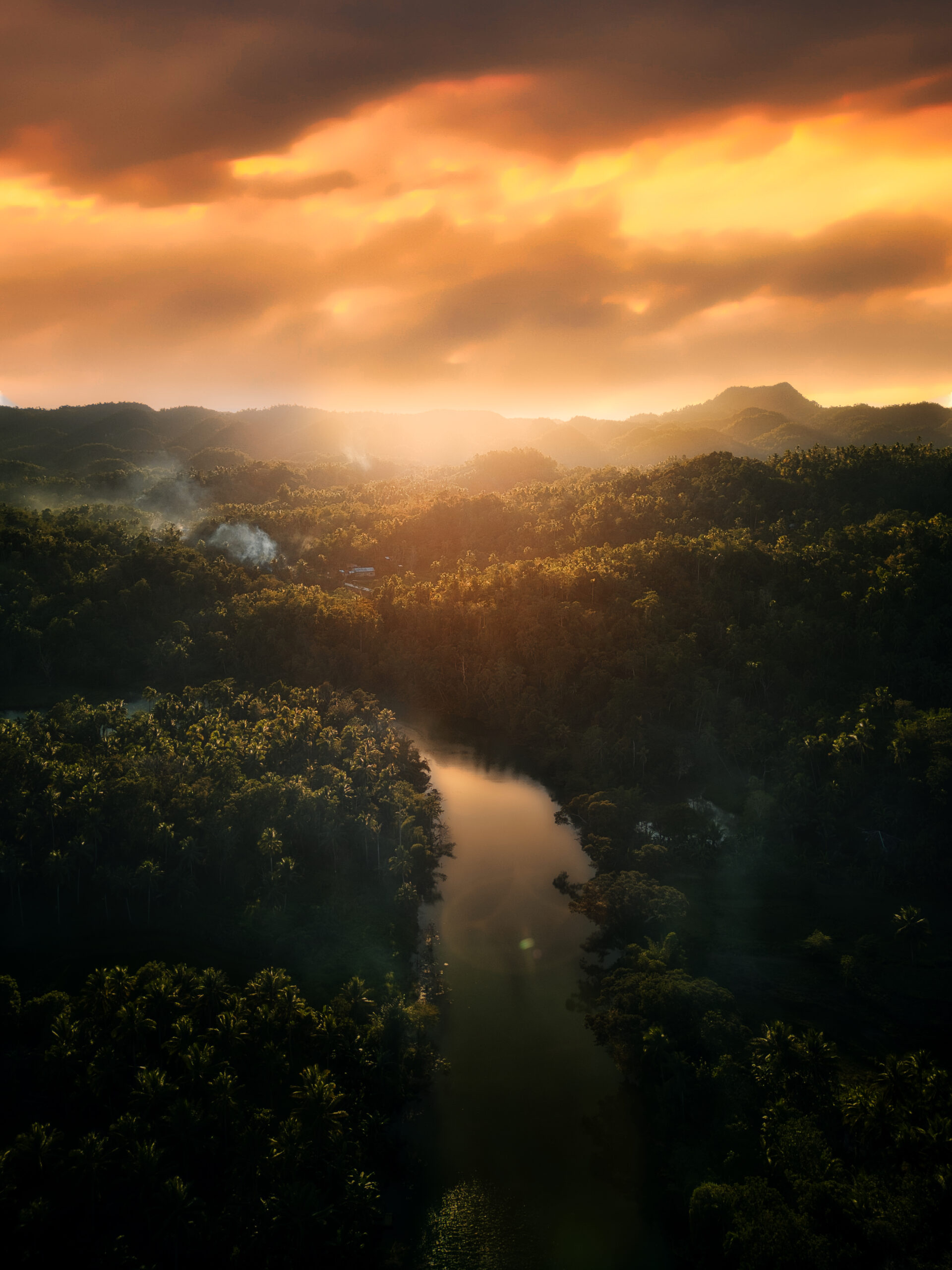
What I liked the most was the general atmosphere. People take their time, especially in Siargao, a small favorite island. The atmosphere of the Philippines is the idea we have of the islands: disconnected from the modern world, especially in the most remote villages. It’s a real return to basics, and the landscapes, between volcanoes, sea and mountains, it was a little paradise for us.
There is a market in El Nido that I particularly loved for its atmosphere. Every evening, a real show is organized, with fruit and fish stalls and colorful stands. It’s a vibrant experience, full of life and local energy.
Places
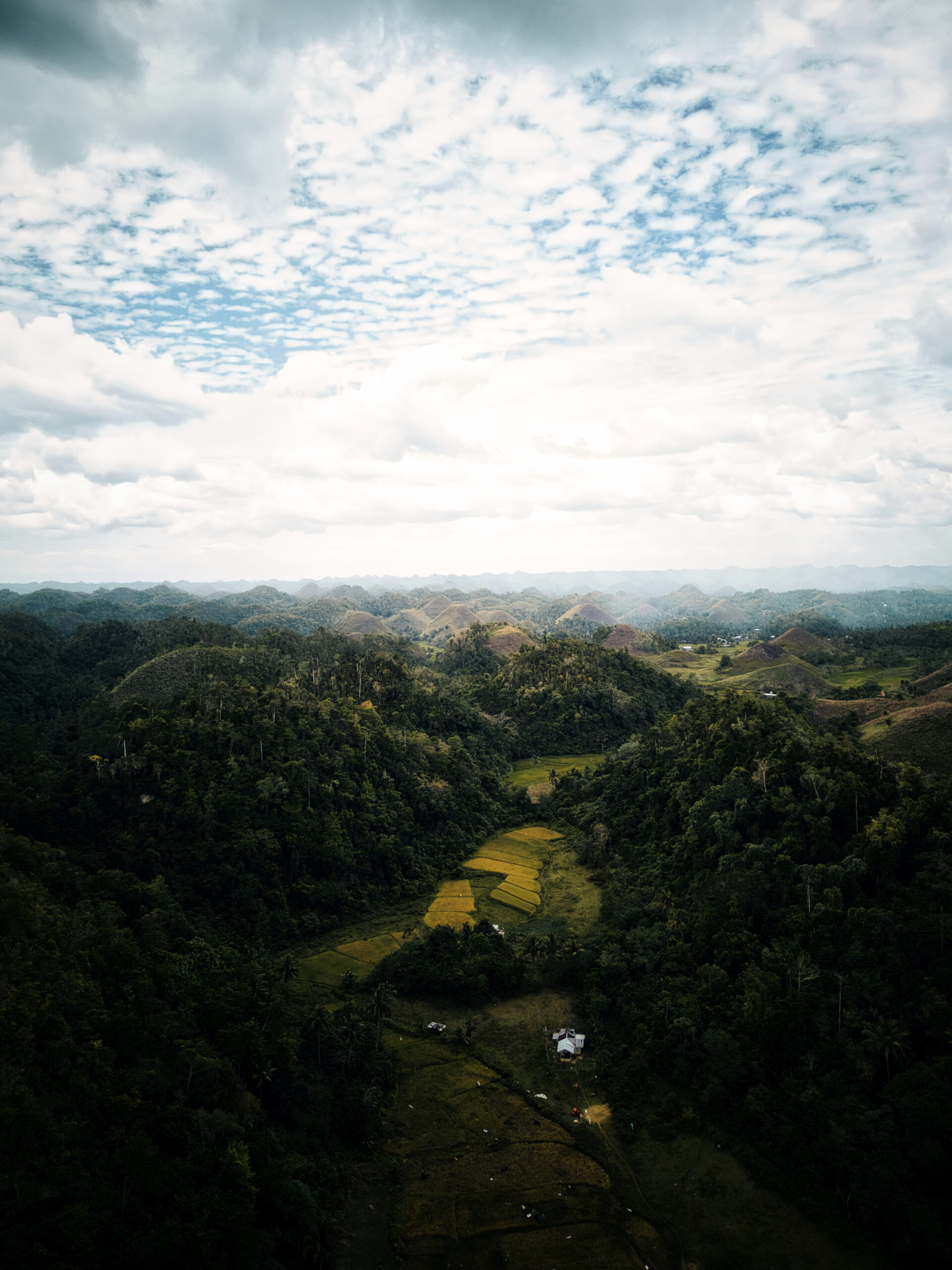
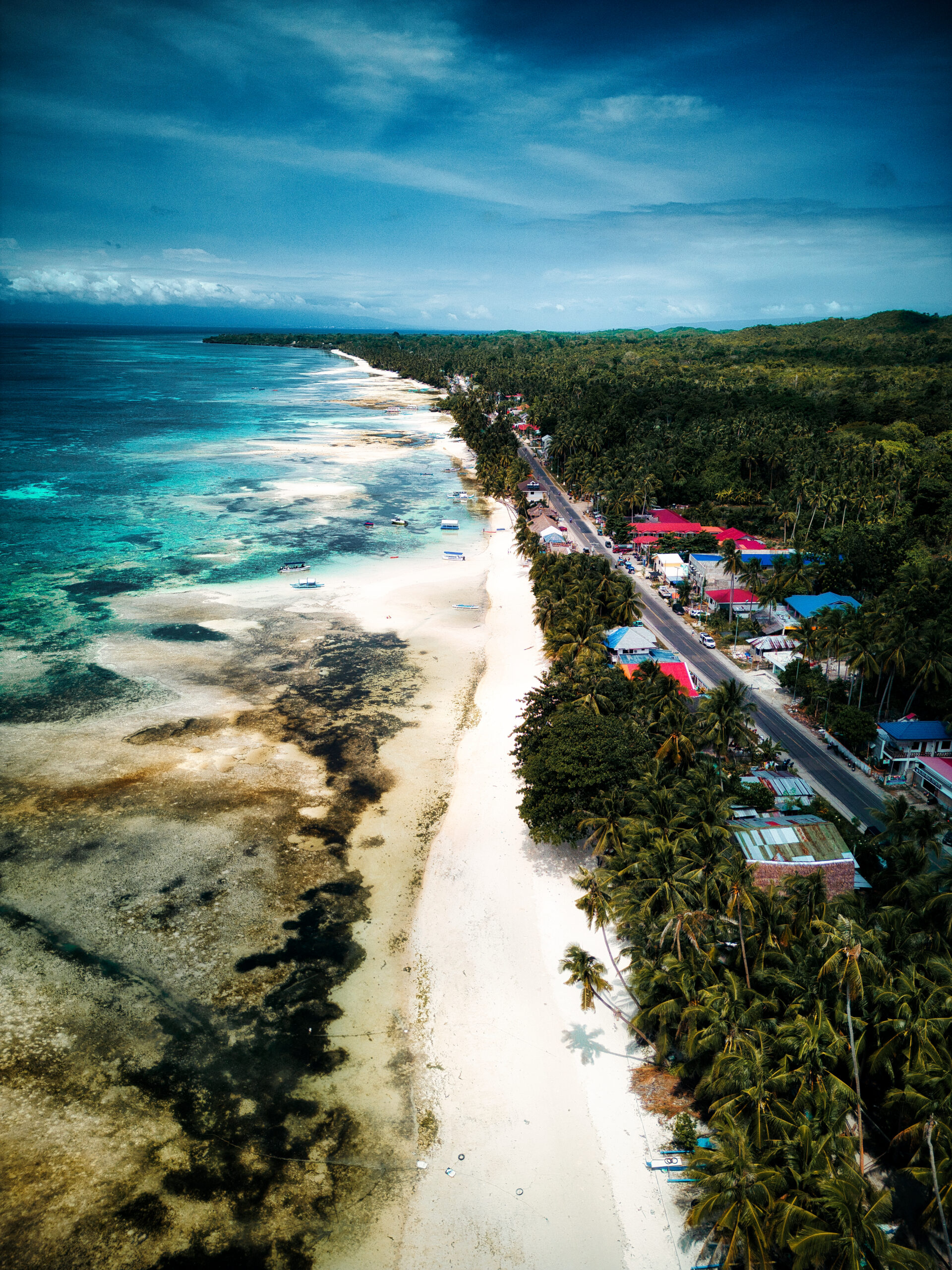
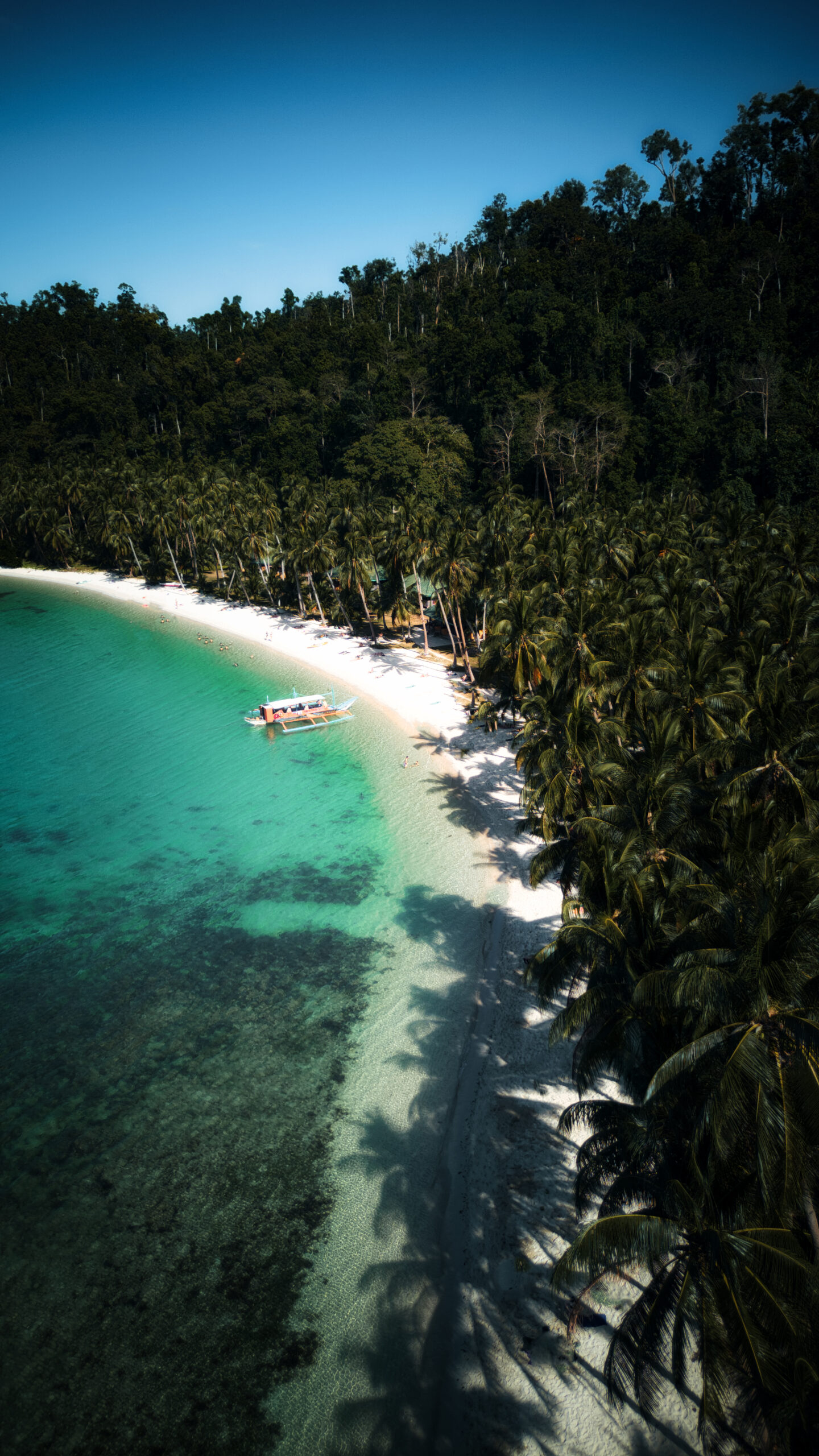
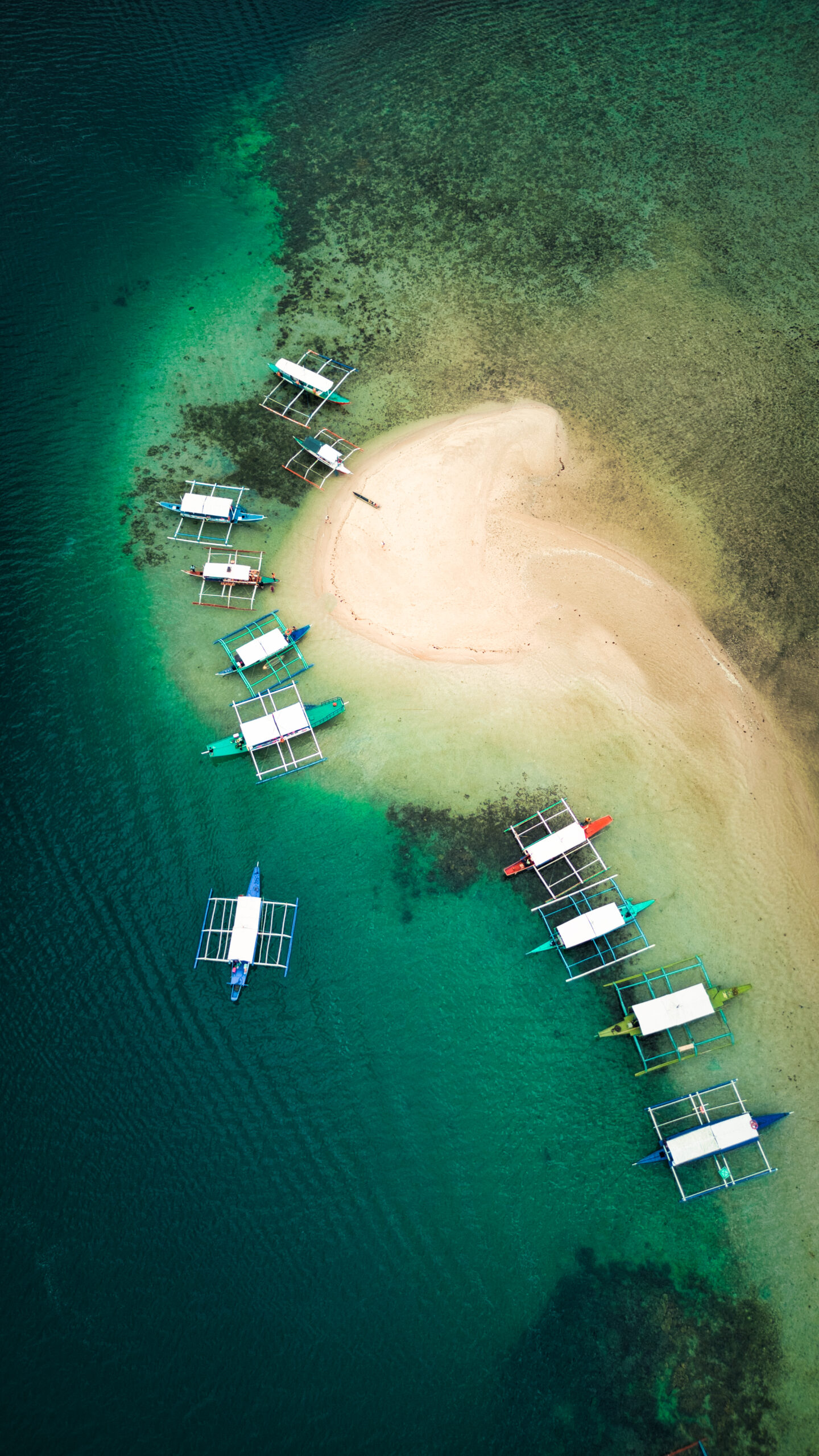
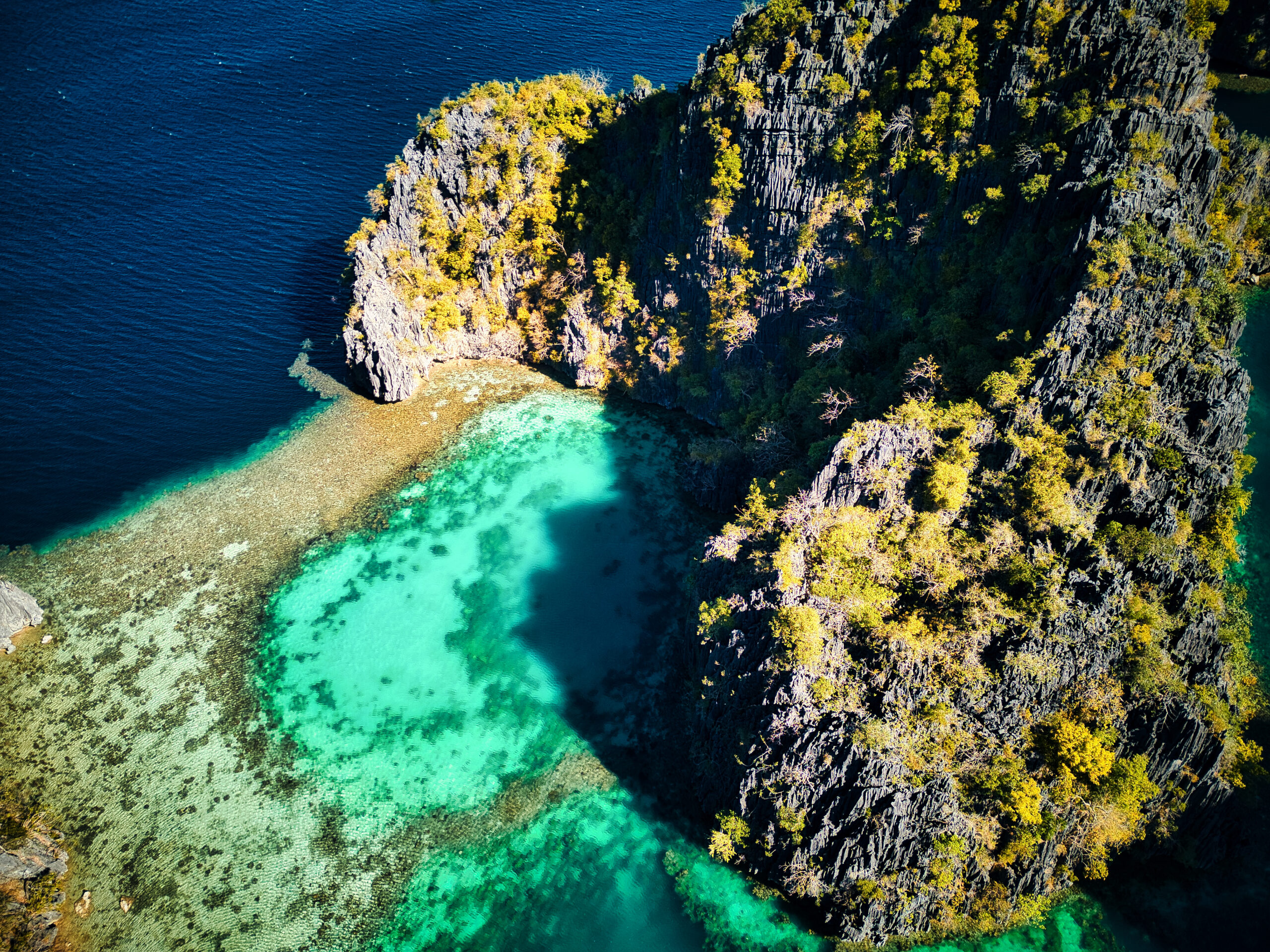
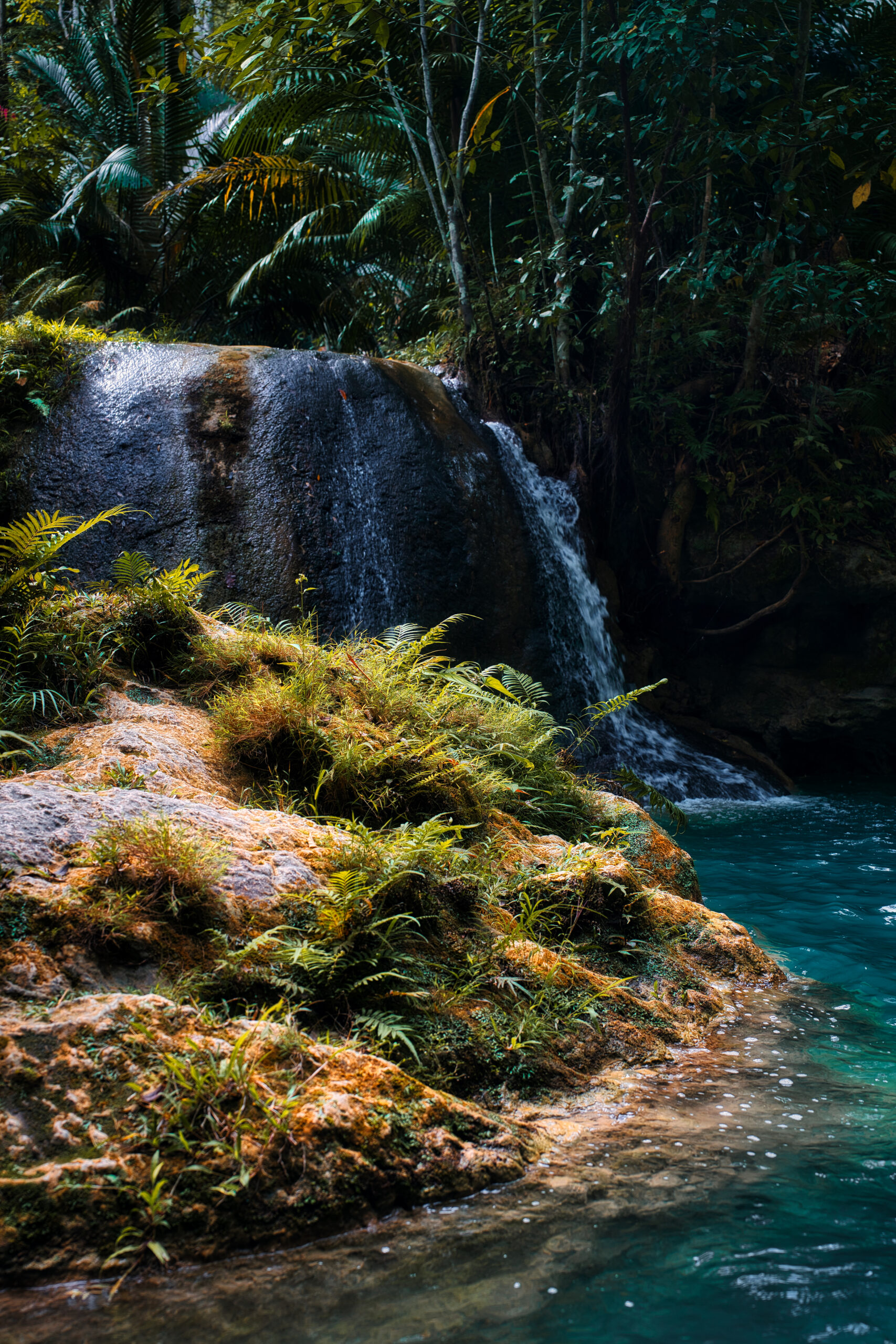
Nature is omnipresent there. The Philippines are known for their heavenly beaches (like in Palawan or Boracay), but they also offer incredible biodiversity: lush mountains, rice terraces, hidden waterfalls, imposing volcanoes… A fascinating cultural setting, with Spanish, Malay, and local influences. Festivals like Sinulog or MassKara add a touch of color to the experience.
My favourite spots were:
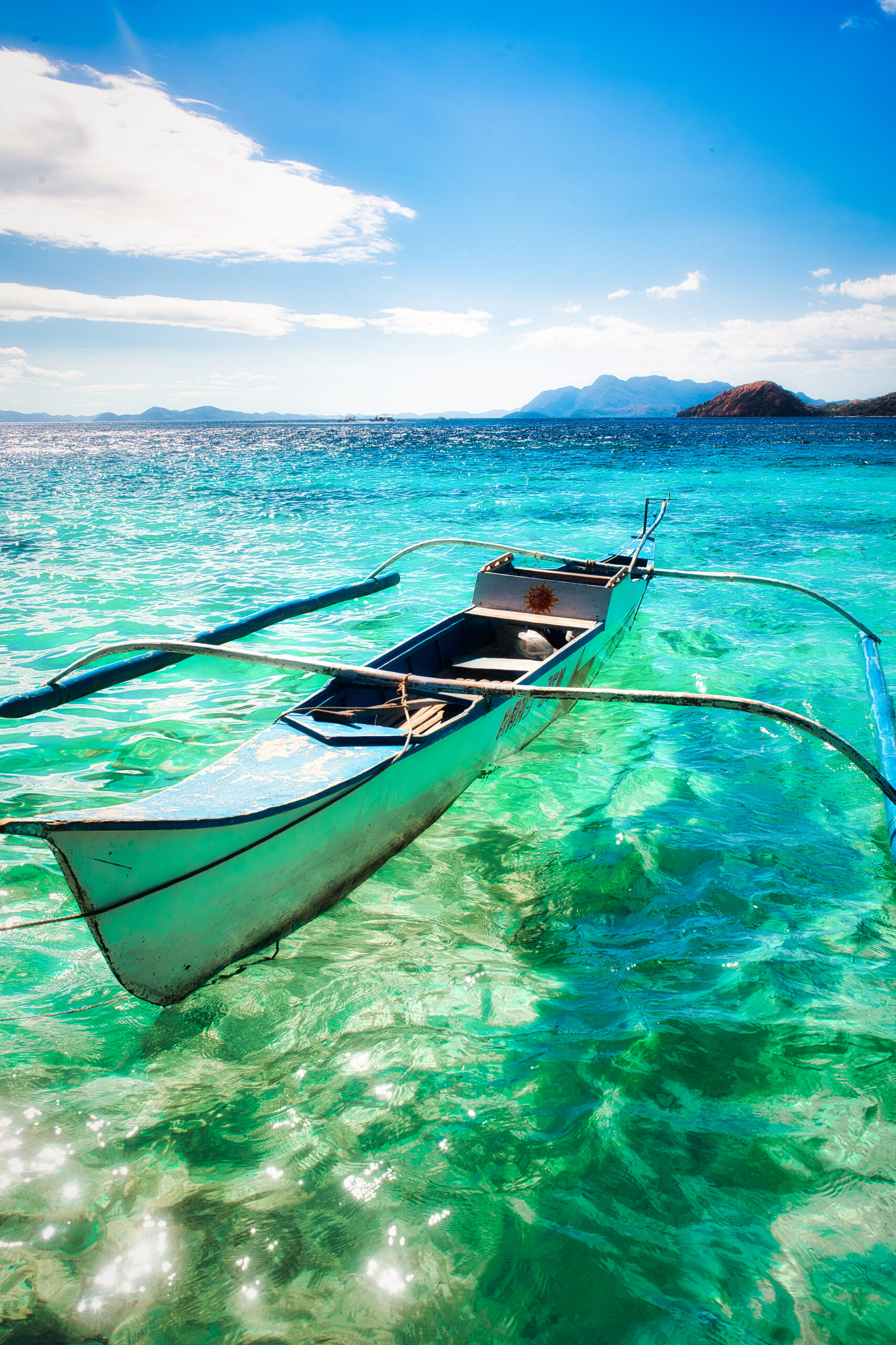
- Palawan : A magnificent island, especially El Nido, but there is so much to discover in this province. Explore the south, take a scooter, motorbike or bus and go on an adventure.
- The Visayas : Take the time to get lost in this archipelago, with its incredible landscapes and deserted beaches.
- Siargao : My top 1! An island with a special, relaxed and authentic atmosphere, where you surf in the morning and relax in the afternoon. A real gem to discover.
I have another favorite but this one I keep for myself (laughing)
Planning & Navigation
To avoid crowds in the Phillipines, you have to get off the beaten track. For any “must” tourist locations, we did them early in the morning to avoid the crowds.
I found more authentic experiences through Instagram and backpacker Facebook pages, which are a gold mine for those looking to explore less touristy places. I loved taking the time to chat with locals. Once I showed them my respect for their culture and willingness to adapt, I earned their trust, and they would open their world to us and share their local secrets. Taking my backpack and traveling around the country in “adventure” mode, without much of a plan, with all the unforeseen events; that is what makes travel so beautiful for me.
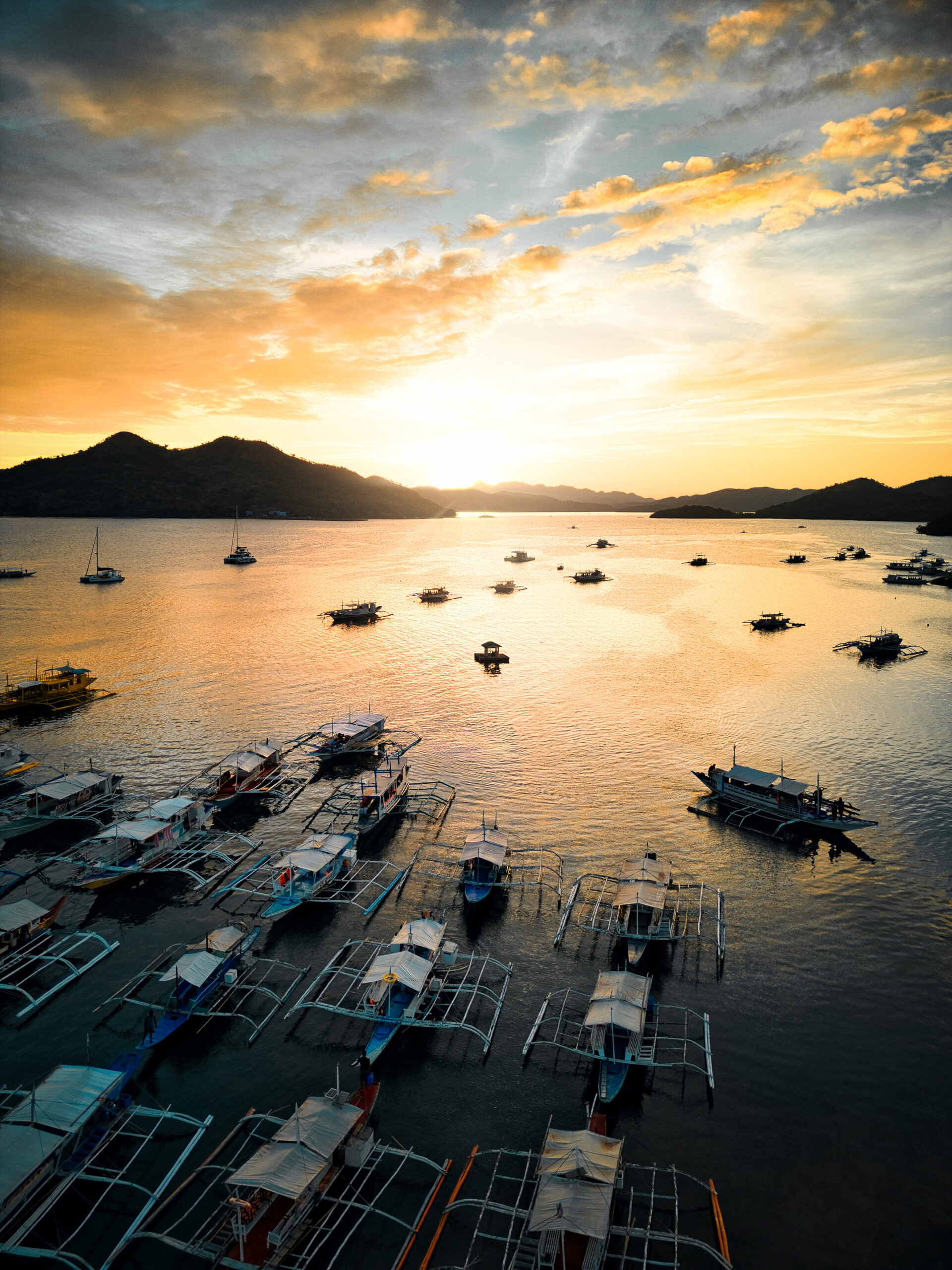
The local transportation in the Philippines is an adventure in itself! The jeepneys are iconic, but it must be admitted that they can be a little tight. There are also tricycles (motorcycles with sidecars), very practical for short distances, but also ferries to cross from one island to another. There are also local buses which connect the main cities. Leaving with an open mind and embracing getting lost a little in these transports is a secret to really tasting the local atmosphere.
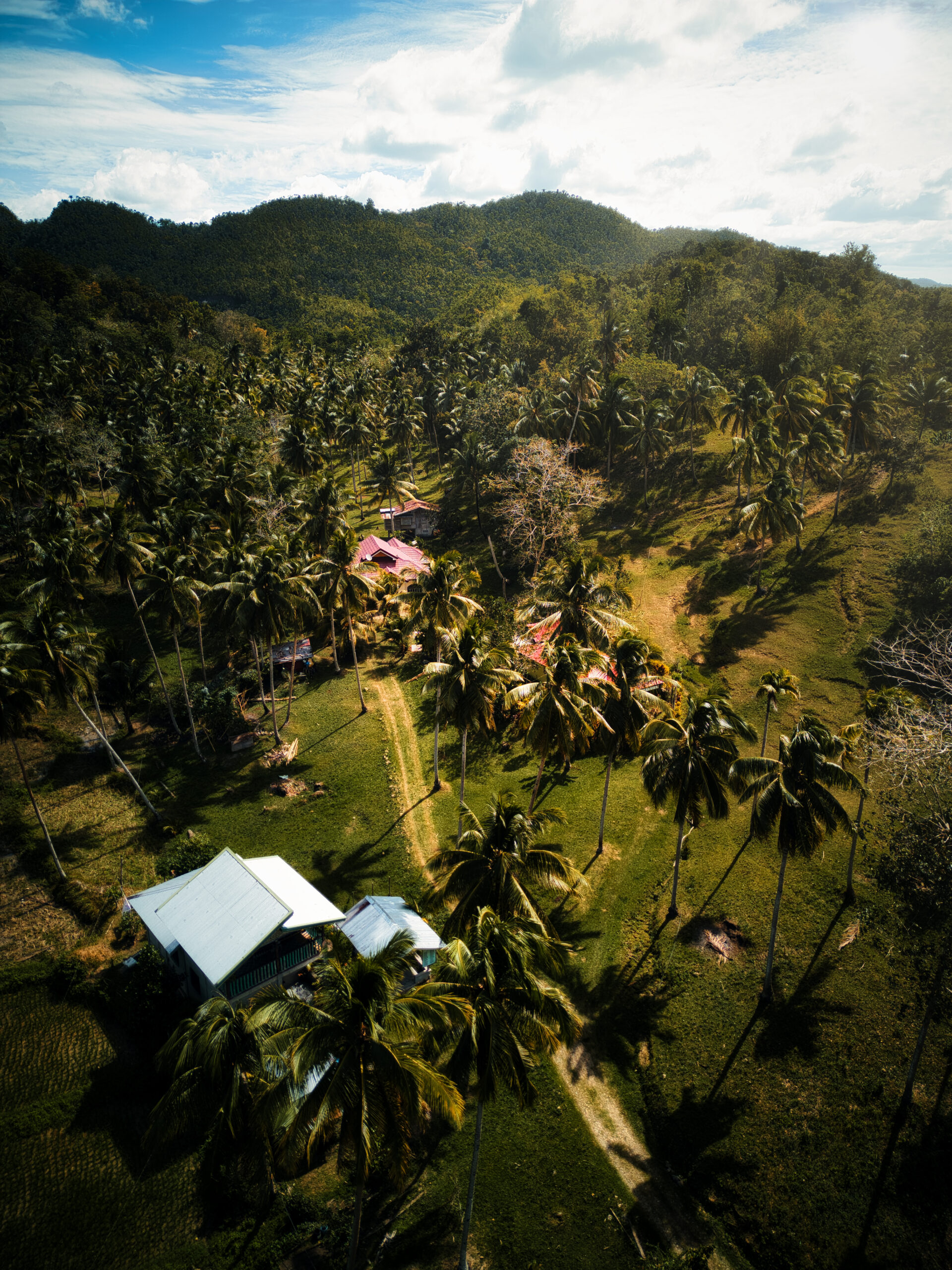
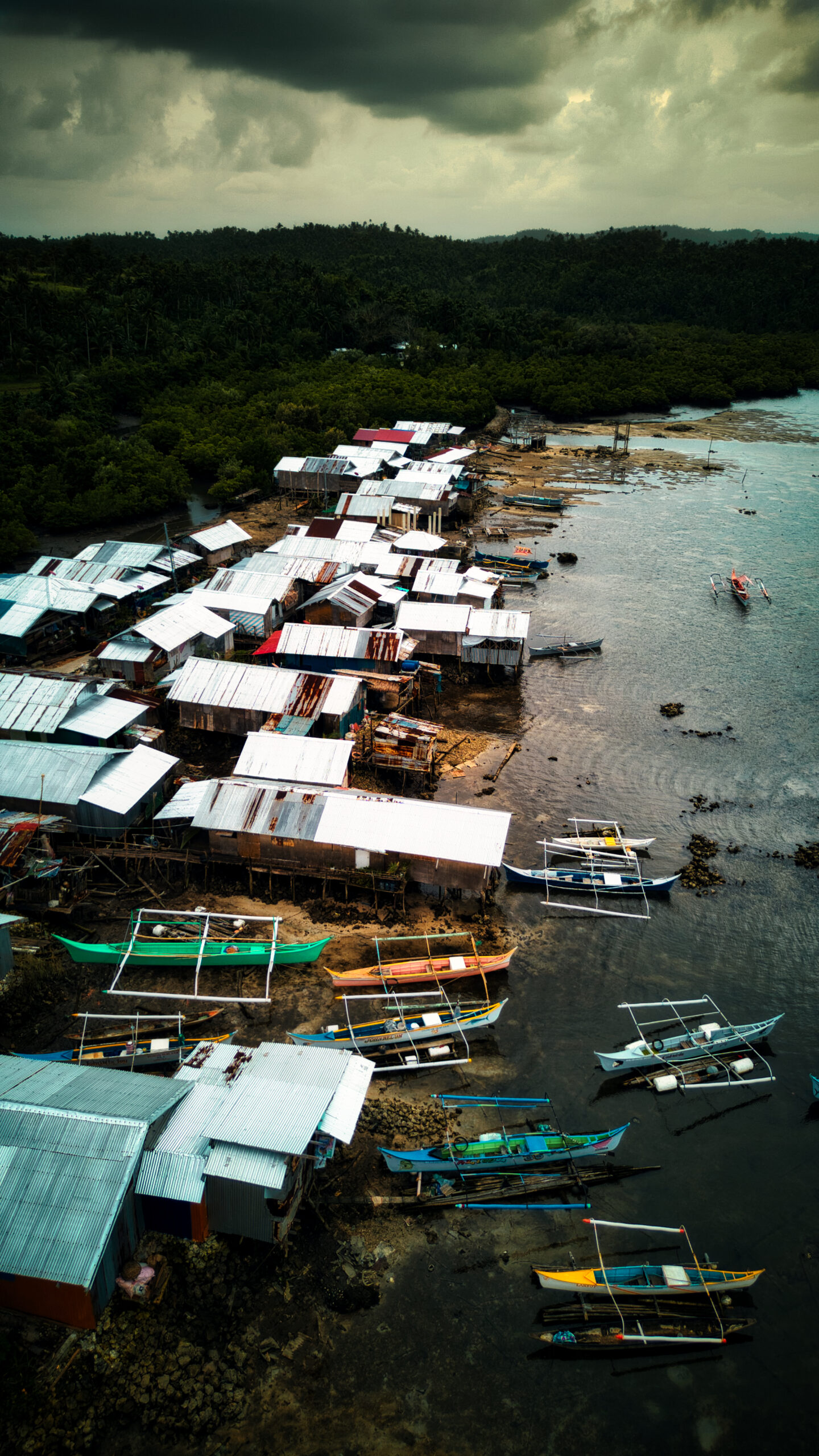
With our scooter, we ventured into improbable places, until we had to end up on foot. It was a real moment of discovery, far from the tourist trails. This allowed me to visit fishing villages that aren’t even on the maps.
One such village is in Siargao, when I arrived I was the only tourist. They didn’t speak a word of English, but we communicated by signs. They invited me to drink a local drink, and to thank them, I took a photo of them. It was a magical moment, timeless. These people, some of whom had never seen a camera, agreed to pose, and we laughed together. I will always remember it.
Even with my expensive camera equipment on me I could always go out anywhere peacefully, there is a no hassle mentality, and I always felt completely safe.
The people I met taught me to appreciate what I have and taught me humility. These are lessons I take with me on every trip.
I formed friendships with several residents. I even have a small Filipino community that now follows me on social networks (laughing)
Cuisine in the Philippines
Asian cuisine is generally excellent, and in the Philippines, we enjoyed it.
There are many open kitchens in restaurants or at local people’s homes, allowing you to discover cooking in an authentic way.
The specialties that I particularly appreciated are:
- Le Sinigang, a sweet and sour soup with tamarind, vegetables, pork or fish.
- Le Pancit, noodles fried with vegetables and meat or seafood. This dish, typical of Asia, is found throughout the country.
There are also many dishes whose ingredients I prefer not to know, leaving the taste to be a surprise (laughs).
There are local cafes where you can taste specialties like Baraco coffee, a strong coffee, typical of the mountainous regions of the Philippines. HAS Siargao, don’t miss it & Kermit Surf Resort, a perfect place to relax and taste incredible local cuisine, based on fresh seafood and typical dishes
For local drinks, I have a weakness for smoothies, and the locals produce their own well-presented beers such as the Saint Michael and the Red Horse. However, I prefer to pass on these options (laughs).
Timing & Seasons
We left in February, considered one of the best times to visit the Philippines, as it is the dry season, which lasts from November to May. It is ideal for exploring the country: the climate is cool, but temperatures remain close to 30°C. However, from March until May, temperatures can increase considerably.
The rainy season, on the other hand, runs from June to October, with the monsoon, frequent rains and typhoons.
That said, the climate in the Philippines can change very quickly. Even during the dry season, rains can occur, sometimes lasting from a few minutes to a few hours. In February, for example, we had 4-5 hours of rain total for the month.
Accommodation
I favor small local accommodations, guesthouses or even private houses that are a little less touristy. This allows you a more authentic immersion in the culture, by meeting locals and interacting with them. There are also magnificent ecolodges or bungalows by the sea which are perfect for getting away from it all.

Packing
Regarding payments, it is best to bring cash and change it on site. The exchange rate is interesting, and in general, it is always better to pay in cash. Bank cards are accepted almost everywhere, but not always in remote villages. So, choose cash for greater peace of mind.
We had purchased a local SIM card, and the network worked very well, with no real problems. I no longer have the exact prices in mind, but it was around 7 euros for 1 month, with 20 to 30 GB of internet. Otherwise, the Wi-Fi works very well, with the exception of some remote villages.
For my health, I did not take any specific vaccination to go there. You have to protect yourself from mosquitoes, but other than that, everything is fine. The pharmacies are of good quality, and there is also a lot of herbal treatment, which is quite interesting to discover.
The best thing to do for clothing is to buy on site: it’s super affordable, you can give life to the local economy and will be able to bring back more souvenirs! For photographers/videographers like me, grab your camera body, a versatile lens, a drone, and that’s it.
Budget
The budget (laughing)! Honestly, we hadn’t planned anything in advance. It was a somewhat spontaneous trip, so difficult to give you a precise estimate. It really depends on your travel style. For example, last minute transportation can quickly become expensive. I remember spending 800 euros on plane tickets for routes like CEBU-PALAWAN, PALAWAN-CEBU, CEBU-SIARGAO, SIARGAO-MANILA. But for two people, accommodation, transport, food and parties, we had to spend around 2500 euros for 35 days.
Looking back
My perception has changed since my first trip, when I was 18. I took a monumental slap in the face when I discovered that a different culture taught me a lot of things. Today, I put things into perspective much more easily, and I realize how lucky I am to be able to travel like this. I also know that it is thanks to my perseverance at work and human encounters that I became what I am today.
I capture my moments in photos and videos, I like to create vlogs or teasers of my travels. Some people often tell me that I don’t enjoy the present moment, but in reality, I don’t run away from this moment. I establish a deep communion with my presence. Each image I capture is an imprint of what I feel. For me, it’s a way of experiencing the moment intensely, recording it both in my memory and in that of my camera. It is not simply a photo or a video, but an act of love for what I experience, a way of making eternal what would otherwise be ephemeral.
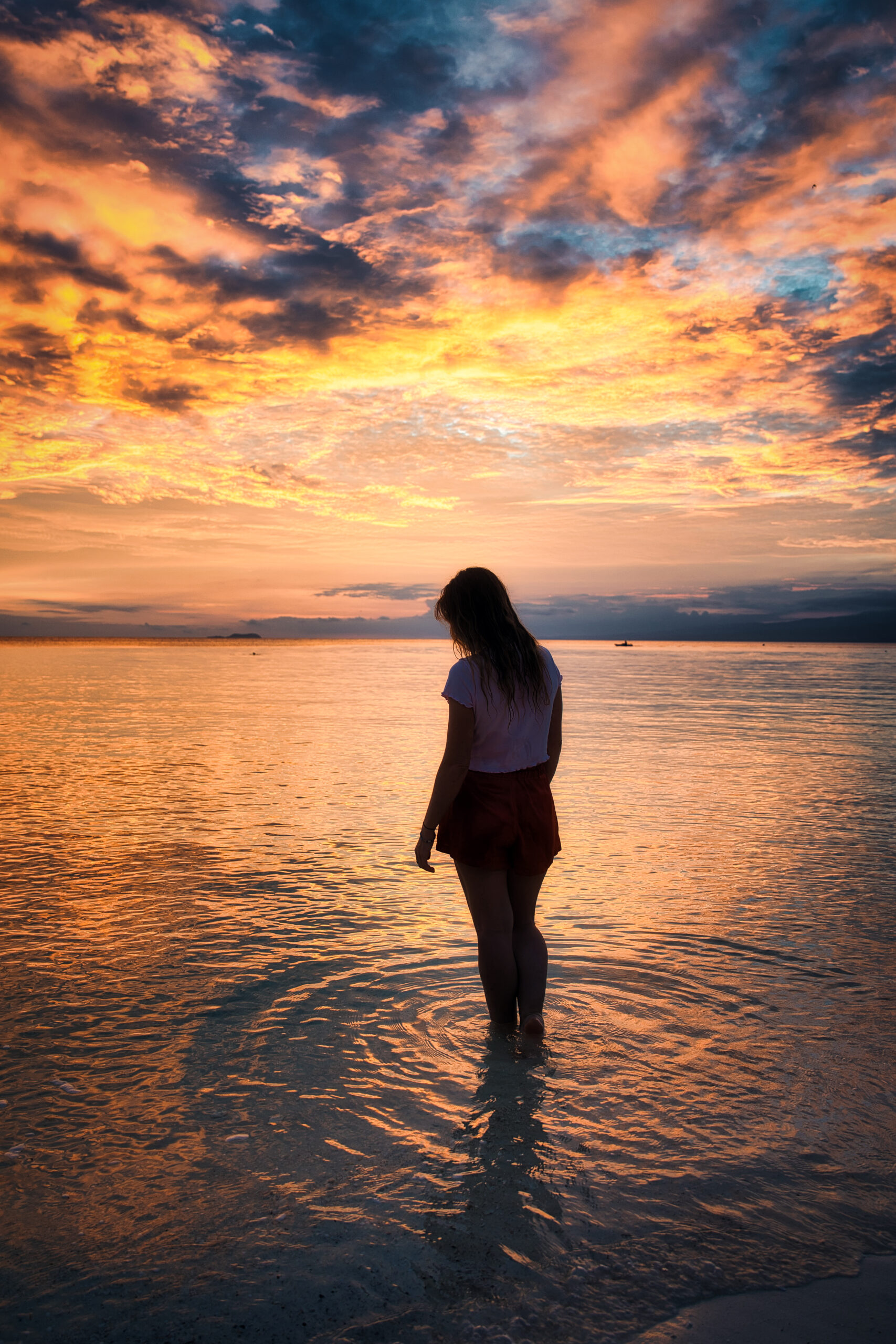
I had a mini-depression when I returned to France. Remembering that the French like to complain (laughs) made me miss the Philippines a lot, but I plan to go back in 2026. Next time I will see the colorful festivals of Sinulog or MassKara so for that I will need to be there during the right time.
I may be forced to do some planning, and maybe schedule our plane tickets in advance, maybe. (laughing).
Traveling continues to allow me to grow. I only work for one thing: to leave as quickly as possible. I deeply love what I do: photography and video. It became a passion that I transformed into a profession. All of this is thanks to the travels and meetings I have had. I have my own business today, and I owe it in large part to the people I met, especially my sweetheart, who did a lot of traveling and working hours. She taught me a lot about travel and continues to lift me up.
One example of this change is in Vietnam, when we stayed with a local. A young man of 20, who had started his little family in the north, near the Chinese border, told me after a dinner: “I dream of being like you one day, I will be like you.” It touched me deeply, because in the north of Vietnam, many people cannot even travel within their own country, because of the cost.
That moment marked me for life.
Thank you for your trust and reading.
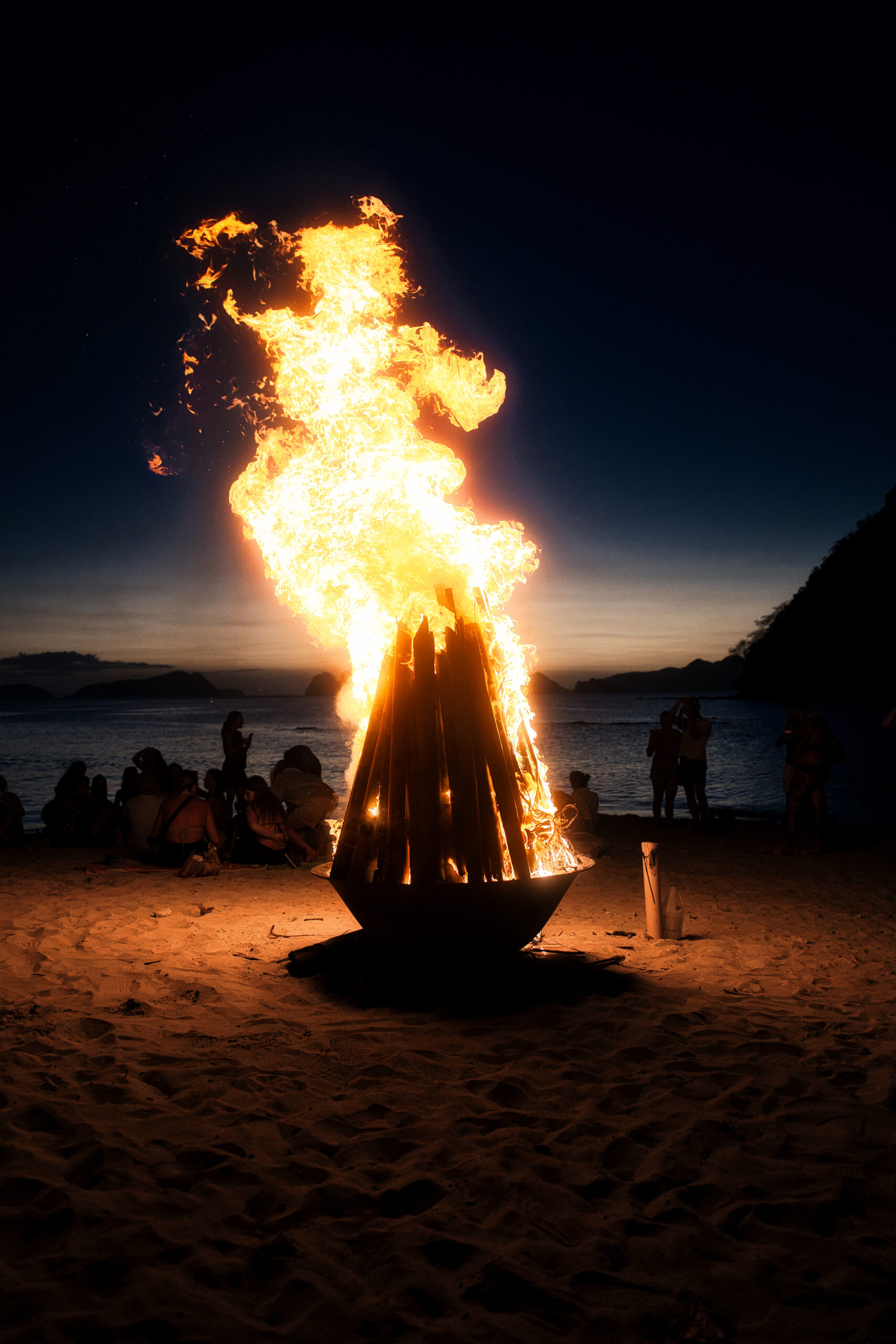
Photography and Authored by Yaël Boutroix
Instagram @yael_boutroixx